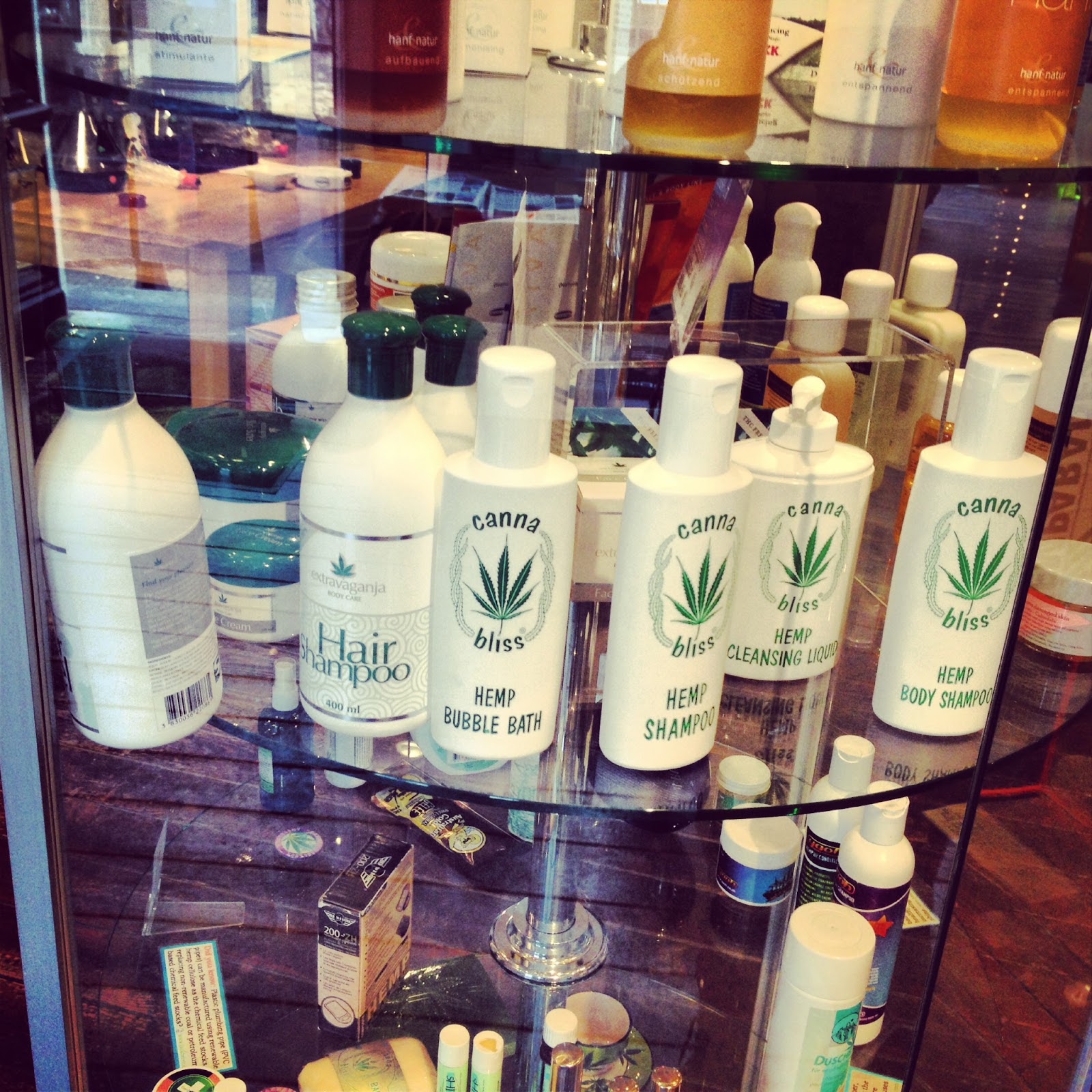
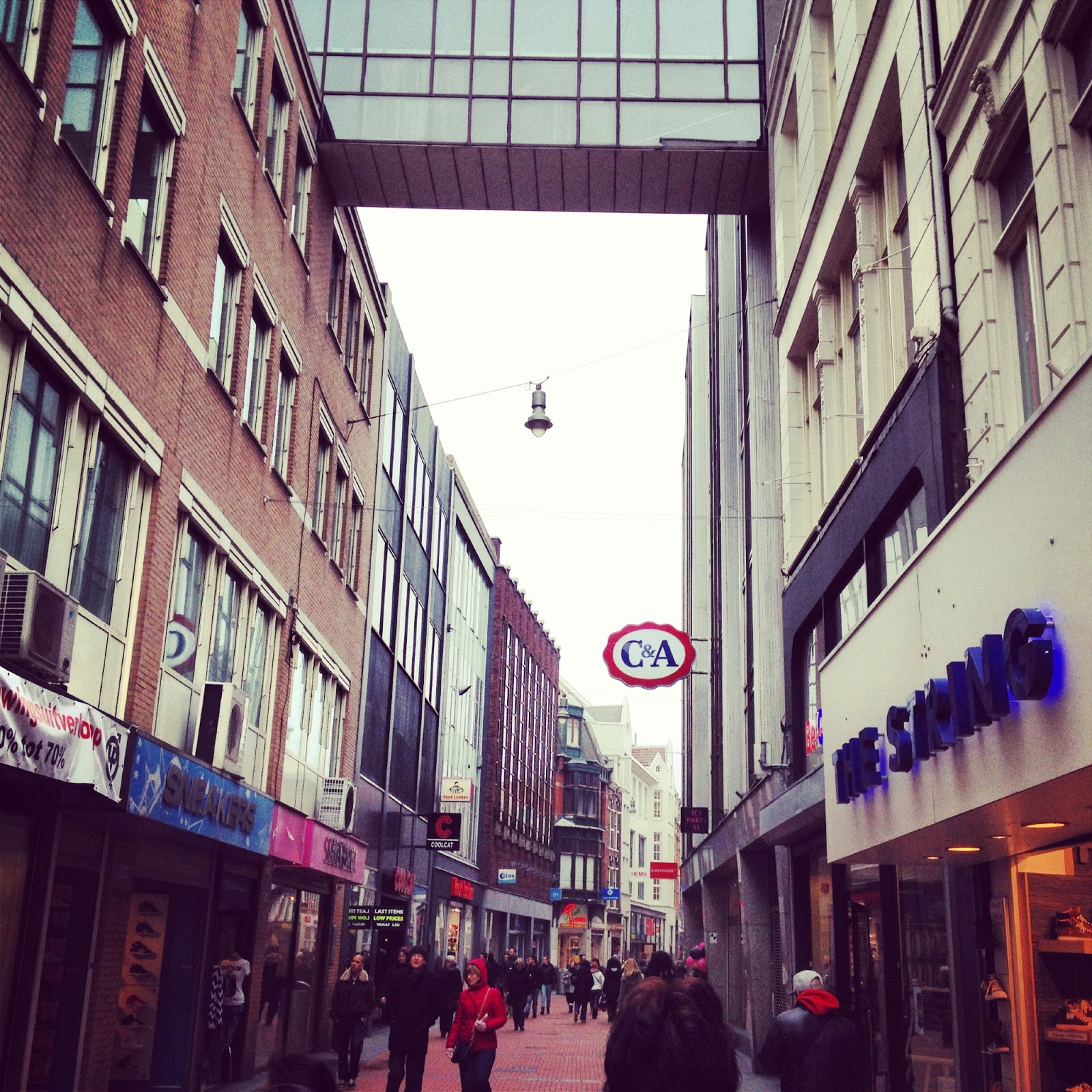
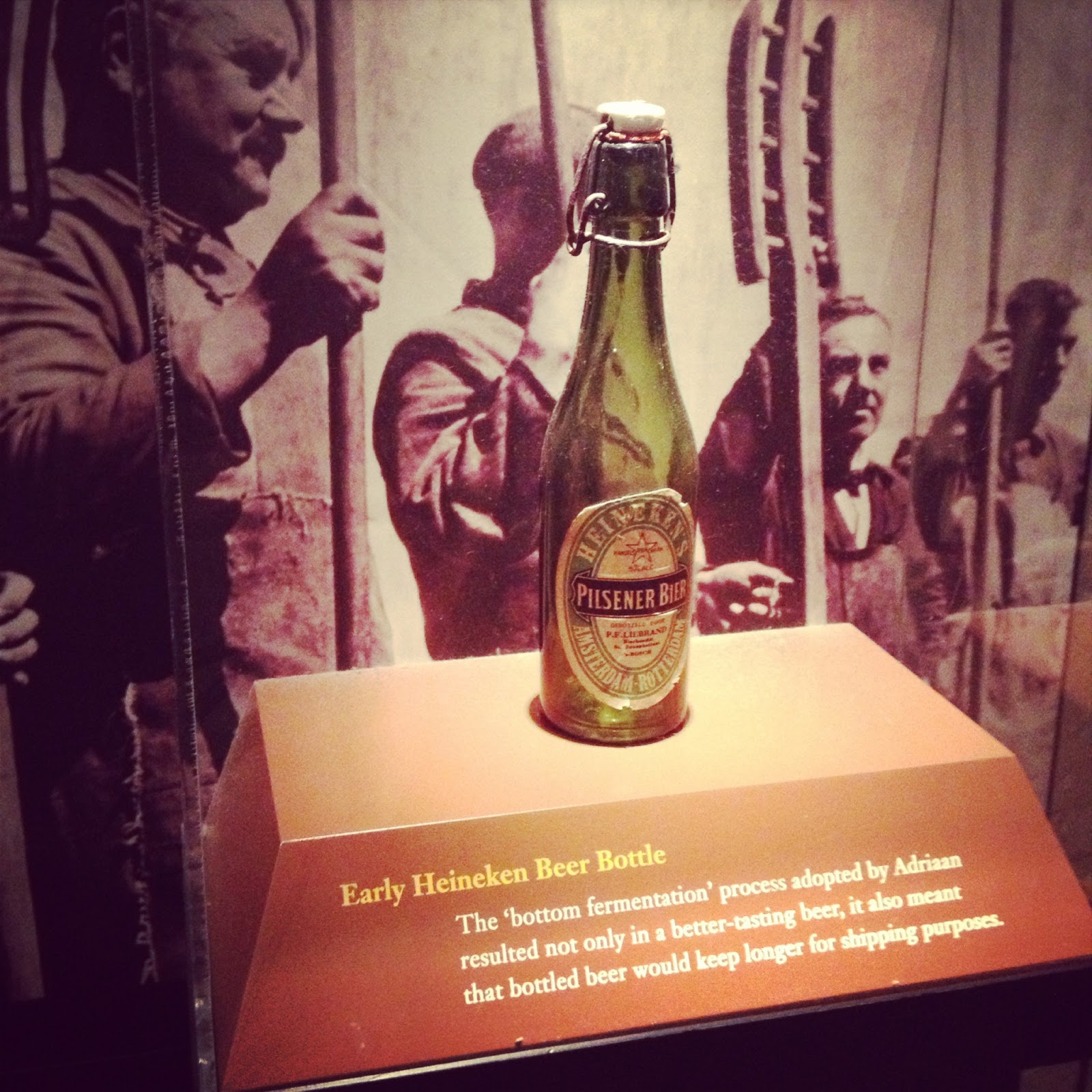
De Wallen is the largest and best known red-light district in Amsterdam and a major tourist attraction. Our hostel was located in this area so this is the kind of stuff we saw walking around everyday. It is located in the heart of the oldest part of the city. De Wallen consists of a network of alleys containing approximately 300 tiny red lighted one-room cabins rented by prostitutes that are out all day and night. The area also has a number of sex shops, sex theaters, peep shows, a sex museum, a cannabis museum, and a number of coffee shops that sell marijuana. 26 coffeeshops in the De Wallen area will have to close their doors between September 2012 and August 2015. As part of new restrictions which came into force in 2012, a Dutch judge ruled tourists can now legally be banned from entering cannabis cafes. Prostitution is legal in the Netherlands, with the exception of street prostitution, but work permits are not issued for prostitution. More than 75% of the prostitutes are foreigners that are victims to sex trade, pimping, and human trafficking. The government is doing all they can to stop this, closing 320 windows in 2009 due to suspected criminal activity.
Dutch word of the Day:
Slecht meaning Bad
PEACE & LOVE,
Kevin & Amanda
Sunday, March 17, 2013
Thursday, March 14, 2013
Waterlooplein, Amsterdam!
Kevin and I came upon this part of time just walking around one day! Waterlooplein is a square in the center of Amsterdam in the Netherlands, near the Amstel river. The daily flea market on the square is popular with tourists. Waterlooplein was created in 1882 when the Leprozengracht and Houtgracht canals were filled in. The square is named after the Battle of Waterloo in 1815. The square became a marketplace when the city government decided that the Jewish merchants in the nearby Jodenbreestraat and Sint Antoniebreestraat had to move their stalls to the square. The Waterlooplein became a daily market (except on Saturdays, the Jewish sabbath) in 1893. During World War II
the Jewish quarter was emptied of its residents as the Nazis rounded
them up and sent them to concentration camps. The Waterlooplein market
had disappeared by 1941. After the war, the Jewish quarter was left
deserted, and the Waterlooplein market became a flea market. The market
currently has some 300 stalls and is open every day except Sunday.
The famous flee markets!
Yes! We had to stop and get a bagel! Haven't had one in 7 months!!! Bagels & Beans!
Smiles! It was delicious!
Dutch Word of the Day:
Zuinig meaning Thrifty
PEACE & LOVE,
Kevin & Amanda
The famous flee markets!
Yes! We had to stop and get a bagel! Haven't had one in 7 months!!! Bagels & Beans!
Smiles! It was delicious!
Dutch Word of the Day:
Zuinig meaning Thrifty
PEACE & LOVE,
Kevin & Amanda
Wednesday, March 13, 2013
Straten Van Amsterdam!
Streets of Amsterdam!
Color!
The Moses and Aaron Church is a Roman Catholic church situated in the ancient Jewish quarter of Amsterdam. The church no longer holds regular services, instead, it is now used as an education centre and a venue for exhibitions and concerts. The Moses and Aaron Church was originally constructed as a hidden church in the 1641. It was rebuilt as a proper church, with a Neo-Classical design, in 1795 when freedom of faith was officially restored. The original statues of Moses and Aaron are preserved in the church to this day.
Lots of red shutters!
In Amsterdam you’ll find a branch of the Royal Delft Experience in the historical Munttoren (Munt tower) on the Muntplein. Visitors to Amsterdam can experience the wonders of Delftware up close without leaving the city.
Delftware
The Westerkerk ("western church") is a church of the Protestant Church in the Netherlands denomination in Amsterdam, built in 1620-1631 after a design by Hendrick de Keyser. It is next to Amsterdam's Jordaan district, on the bank of the Prinsengracht canal. The spire, called the Westertoren ("western tower"), is the highest church tower in Amsterdam, at 85 meters (279 feet). The Westerkerk is located close to the Achterhuis (now Anne Frank House) where diarist Anne Frank, her family and others hid from Nazi persecution for two years during World War II. The Westerkerk is mentioned frequently in her diary - its clock tower could be seen from the attic of the Achterhuis and Anne Frank described the chiming of the clock as a source of comfort.
This city reminded me a lot of Copenhagen! But the buildings were more made of brick and not as colorful!
KFC! Kevin had to get it one night. Not the same menu as back home. No biscuits, no mashed potatoes, no gravy, no corn, no mac and cheese, no popcorn chicken. Ha pretty much just fried chicken, potato wedges, and cole slaw!
Bike rentals!
Crooked building!
Players! We went here the first night in Amsterdam. Good drink specials, but very smokey inside!
Kalverstraat is probably the busiest of all shopping streets of Amsterdam, goes across the city center. Kalverstraat is usually crowded with many shops selling competitively priced products.
Really loved the round window!
Oudekerksplein (Old Church Square), is located in the middle of De Wallen. Once a modest wooden chapel, built by 13th-century fisherman where the Amstel empties into the IJ River, the Oude Kerk (Old Church) is now an icon of Amsterdam.
De Waag, an old castle long since converted to a restaurant. De Waag, or old weighing station, was originally a gate in a castle built in 1488, but became a weighing house in 1614. It’s now a restaurant where you can get a fine pastry or coffee in the morning or a dinner at night.
Gonna miss these narrow interesting alley ways in Europe!
Dutch Word of the Day:
Lopen meaning Walk
PEACE & LOVE,
Kevin & Amanda
Tuesday, March 12, 2013
Heineken Experience, Amsterdam!
One of the best things we did was the Heineken Experience tour! It was a lot of fun, a very cool interactive tour! Go to www.heineken.com! The tour was 17 Euro a person and you are on it for about 2+ hours! They taught us how they make their beer, how to pour it properly, how foam is a good thing to keep carbonation in, and even how to drink it the right way! The Heineken Experience, located in Amsterdam, is a historic brewery and corporate visitor center for the internationally distributed Dutch pilsner, Heineken beer. The industrial facility was built as the first Heineken brewery in
1867, serving as the company's primary brewing facility until 1988. In 1991 the brewery opened to the public. The attraction grew to become one of Amsterdam's most popular tourist
attractions and by 2001 the visitor center changed its name to "Heineken
Experience". They finished remodeling in 2008.
Heineken Lager Beer was first brewed by Gerard Adriaan Heineken in 1873.
In the early years of Heineken, the beer won four awards, which are still mentioned on the label of the beer bottles:
Heineken Horse!
Only 4 ingredients! The beer is made of purified water, malted barley, hops, and yeast. In 1886 H. Elion finished the development of the Heineken A-yeast, which is still used in the brewing process today.
Each person receives 3 free beers during the tour!
Watch the Heineken ads on their website! They are cute!
Heineken support UEFA Champions League Football (Soccer to us)!
Interactive floor was fun!
Make your own music video! Sing a dutch song!
Learn to pour the beer properly!
Cool table that put Heineken coasters under our beer when we set them down.
Free canal ride back a little closer to our hotel!
PEACE & LOVE,
Kevin & Amanda
We walked out to the Heineken tour from Dam Sqaure, which was a nice 30 minute walk! There are trams available to get you there sooner!
Heineken Lager Beer was first brewed by Gerard Adriaan Heineken in 1873.
In the early years of Heineken, the beer won four awards, which are still mentioned on the label of the beer bottles:
- Medaille d'Or (English: Gold Medal) in Paris in 1875
- Diplome d'Honneurs (English: Honorary Diploma) at the International Colonial Exposition in Amsterdam in 1883
- Grand Prix (English: Grand Prize) at the Exposition Universelle in Paris in 1889
- Hors Concours Membre du Jury in Paris in 1900
Heineken Horse!
Only 4 ingredients! The beer is made of purified water, malted barley, hops, and yeast. In 1886 H. Elion finished the development of the Heineken A-yeast, which is still used in the brewing process today.
Each person receives 3 free beers during the tour!
Watch the Heineken ads on their website! They are cute!
Heineken support UEFA Champions League Football (Soccer to us)!
Interactive floor was fun!
Make your own music video! Sing a dutch song!
Learn to pour the beer properly!
Cool table that put Heineken coasters under our beer when we set them down.
Free canal ride back a little closer to our hotel!
Dutch Word of the Day:
Bier meaning Beer
Groen meaning Green
PEACE & LOVE,
Kevin & Amanda
Subscribe to:
Posts (Atom)